
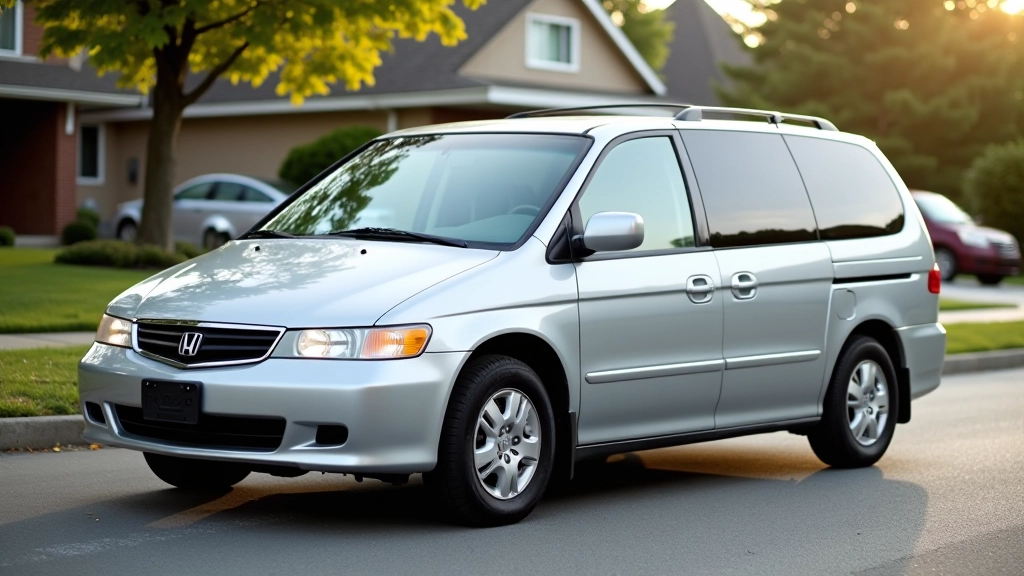
Honda Odyssey vs Chrysler Pacifica: The Great Minivan Showdown
We compare the two titans of the minivan world. Which one truly dominated Canadian family roads and why the competition made both better.
Discover how the Caravan revolutionized family travel in the 1980s and became the vehicle of choice for Canadian parents everywhere.
Author
Written by the Minivan Nostalgia Editorial Team, focused on honest, well-researched stories about the minivans that shaped Canadian family life.
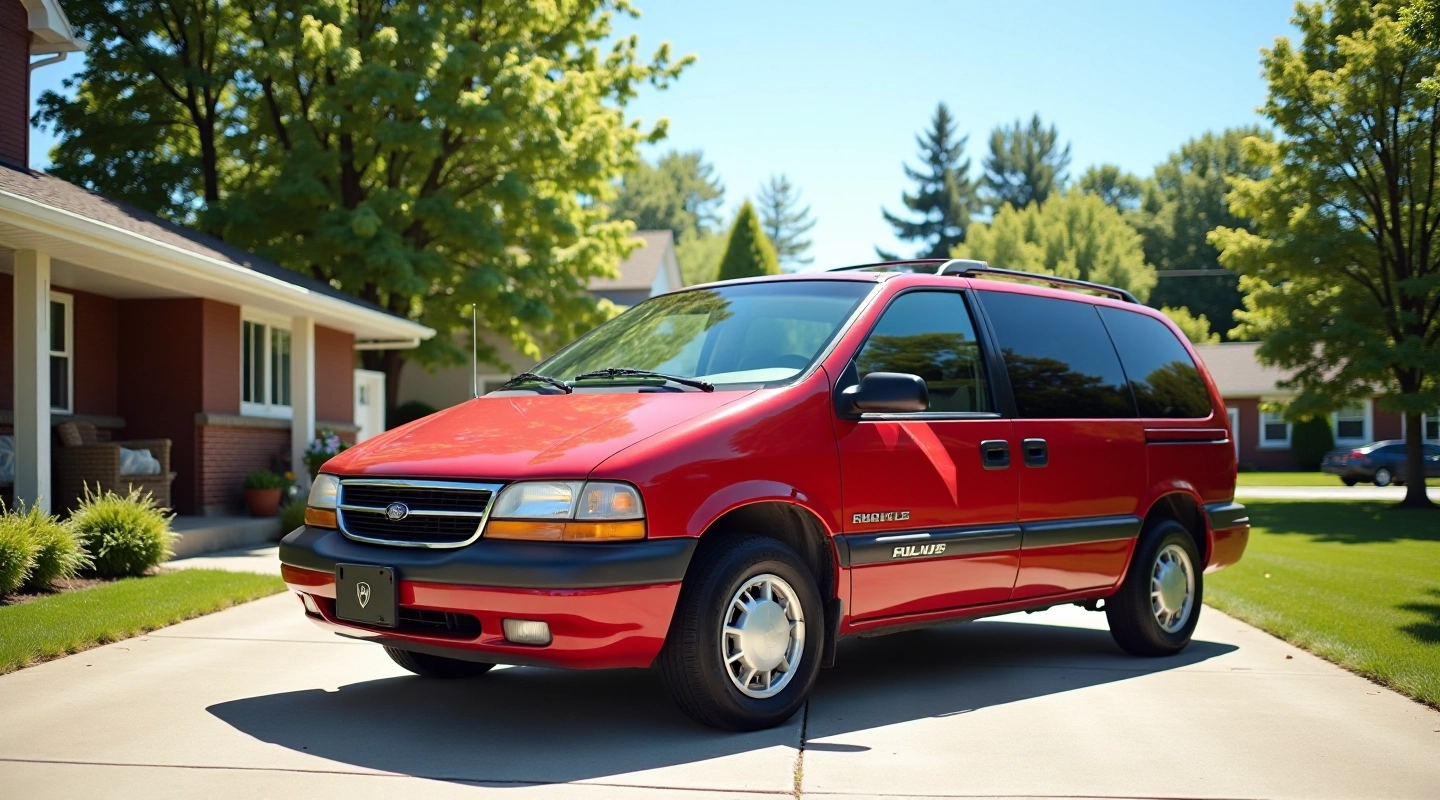
The minivan didn't exist before Chrysler invented it. Seriously. In 1984, the Dodge Caravan and Plymouth Voyager rolled onto Canadian roads and everything shifted. Parents weren't excited about buying yet another station wagon or cramming kids into a boxy family sedan. The minivan solved that problem in ways nobody expected.
What made the Caravan special wasn't just the space — it was the practicality. Sliding doors meant your kids could actually open their doors in tight parking lots without smashing the car next to you. That sounds simple now, but back then? Revolutionary. The high roofline gave real headroom. You could actually sit up straight and see out. And the seating arrangements? You could move the seats around, fold them flat, or remove them entirely.
Canadian families embraced it immediately. By the late 1980s, you couldn't drive through a suburban neighborhood without seeing a Caravan in every other driveway. These vehicles became the symbol of family life — soccer practice, road trips, weekend getaways, and daily chaos all packed into one practical box.
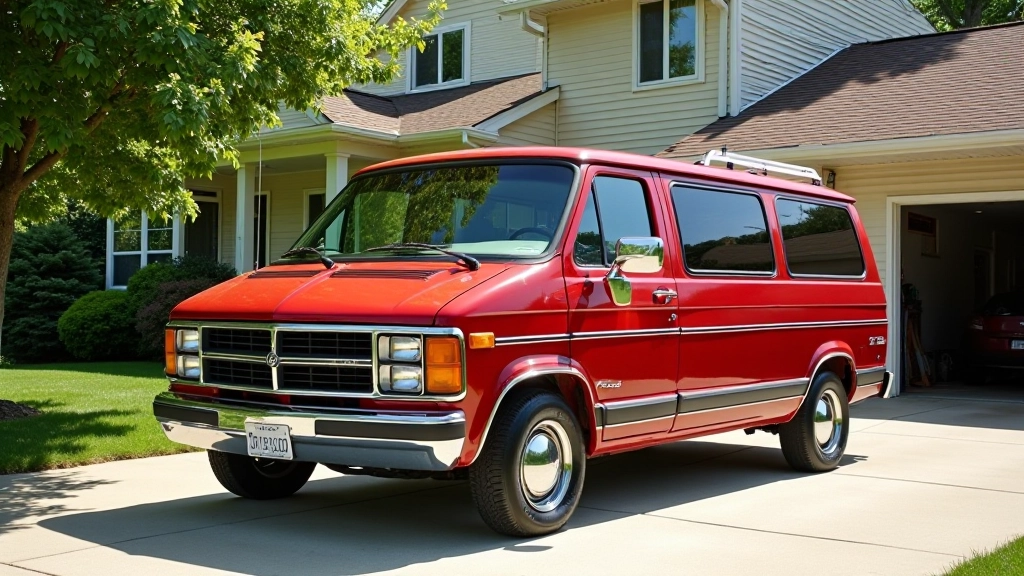
Let's talk about what actually made parents choose the Caravan. It wasn't glamorous, but it worked. The built-in cup holders? Those weren't standard in every car back then. The air conditioning that could actually cool the entire vehicle while sitting in a traffic jam on the 401? Game changer. The power windows and locks meant you could control chaos from the driver's seat.
But here's what really mattered: durability. These vehicles held up. You could drive a Caravan hard — long road trips to Manitoba, winter commutes, hauling camping gear — and it kept working. The engines were solid. Maintenance was straightforward. Canadian winters didn't destroy them like they did other vehicles.
The interior storage was genius. Cup holders, door pockets, under-seat storage, roof racks — there was a place for everything. Parents didn't have to be strategic about packing anymore. You just threw stuff in and drove.
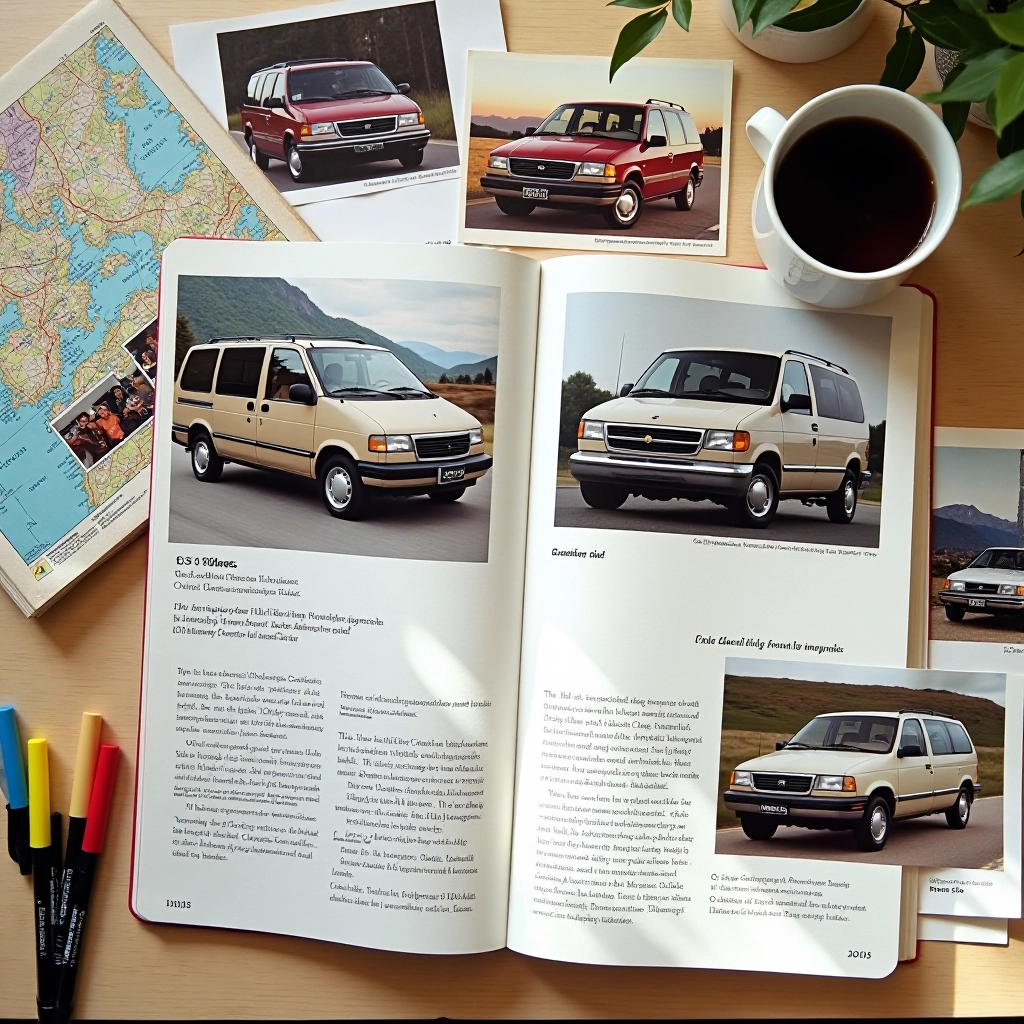
The 1990s and early 2000s were the peak. Honda jumped in with the Odyssey in 1995, and suddenly there's real competition. That's when minivans got even better. Both manufacturers were innovating constantly. You'd see new features every model year. Entertainment systems, better climate control, more efficient engines.
Canadian families weren't just buying minivans because they were practical — they were actually happy with them. Kids grew up in these vehicles. Birthday parties were planned around minivan trips. Road trips from Vancouver to Toronto became realistic family experiences because minivans made them comfortable.
By 2000, the minivan wasn't a compromise vehicle anymore. It was the vehicle people actually wanted. Parents talked about their minivans like they talked about their homes. There's a reason so many people from Generation X have nostalgic memories tied to minivans — they were part of their childhoods.
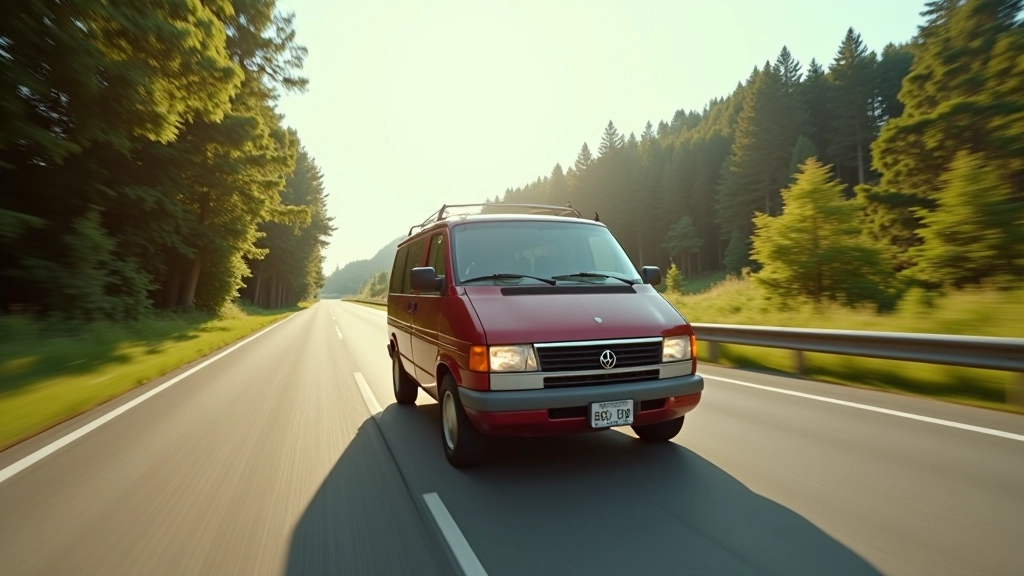
What people forget now is that minivans represented something important. They said "we're choosing practicality over image." Parents weren't pretending to be cool anymore. They were being real about what their families actually needed. That's a powerful statement.
The minivan changed how families traveled. Longer road trips became possible. Camping trips with kids became manageable. Weekend adventures didn't require military-level planning. You'd pack the minivan, drive through the night if needed, and arrive with everyone relatively sane and rested.
And there's something worth acknowledging: minivans made parenting easier. That's not trivial. When you're managing multiple kids, sports equipment, groceries, and the general chaos of family life, a vehicle that's specifically designed for that reality is genuinely helpful.
Continue exploring the minivan era that defined a generation
We compare the two titans of the minivan world. Which one truly dominated Canadian family roads and why the competition made both better.
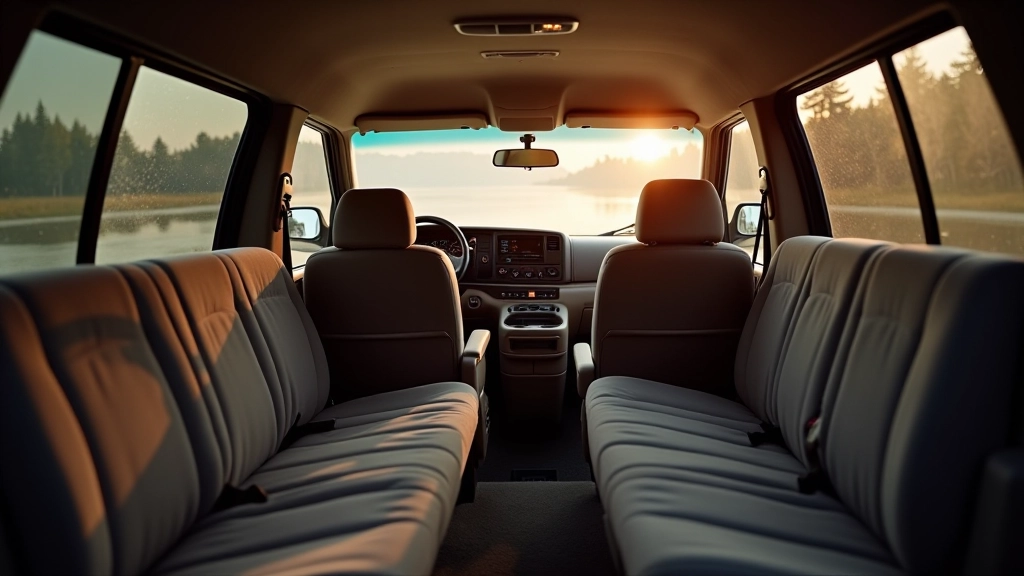
Built-in cup holders, sliding doors, and entertainment systems. Learn about the innovations that transformed family travel forever.

Why did minivans become the symbol of suburban family life? Explore how these vehicles shaped an entire generation's childhood memories.
The minivan's story isn't finished. Yes, SUVs have taken over the market. Yes, fewer people choose minivans today. But the impact remains real. Chrysler's innovation created an entire vehicle category. They proved that practicality could be beautiful. They showed that choosing function over style was actually the right call for families.
For anyone who grew up in a Caravan or Odyssey during the 1980s through 2000s, these vehicles mean something. They're connected to road trips, family moments, and the experience of growing up. That's not just nostalgia — that's cultural impact. A vehicle that changed how millions of families lived their lives deserves to be remembered.
The minivan didn't just change Canadian roads. It changed Canadian family life.
This article is an informational overview of minivan history and cultural significance in Canada. The details and observations presented are based on historical vehicle data and cultural analysis. Vehicle specifications, features, and performance characteristics are general in nature and reflect the models discussed. This content is designed for educational and entertainment purposes, providing context about the minivan era and its impact on family travel. For specific vehicle information, ownership decisions, or technical details, please consult official manufacturer resources or automotive specialists.