
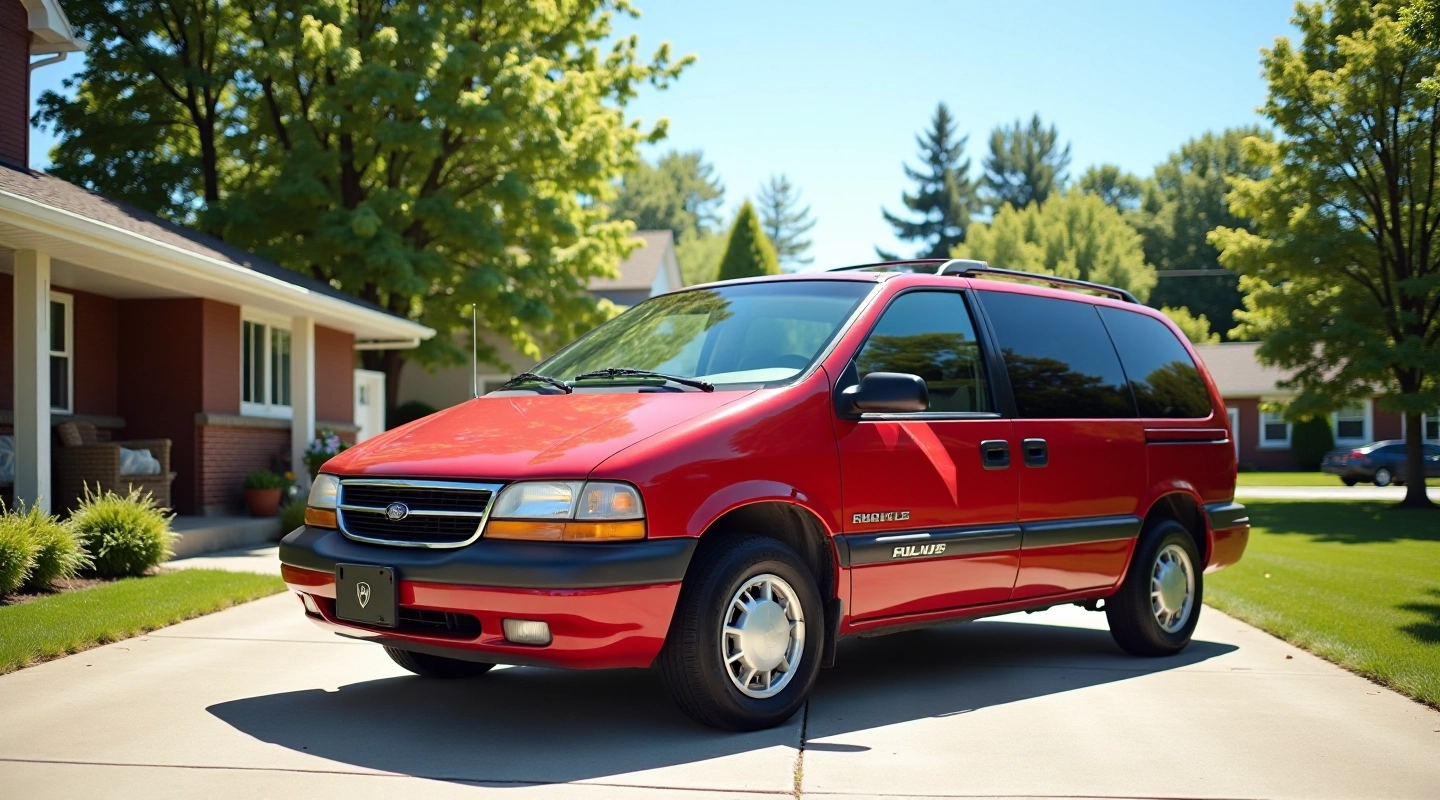
The Rise of the Family Minivan: How Chrysler Changed Canadian Roads
Discover how the Caravan revolutionized family travel in the 1980s and became the template for modern family vehicles.
Read ArticleBuilt-in cup holders, sliding doors, and entertainment systems. Learn about the innovations that made minivans the family vehicle of choice.
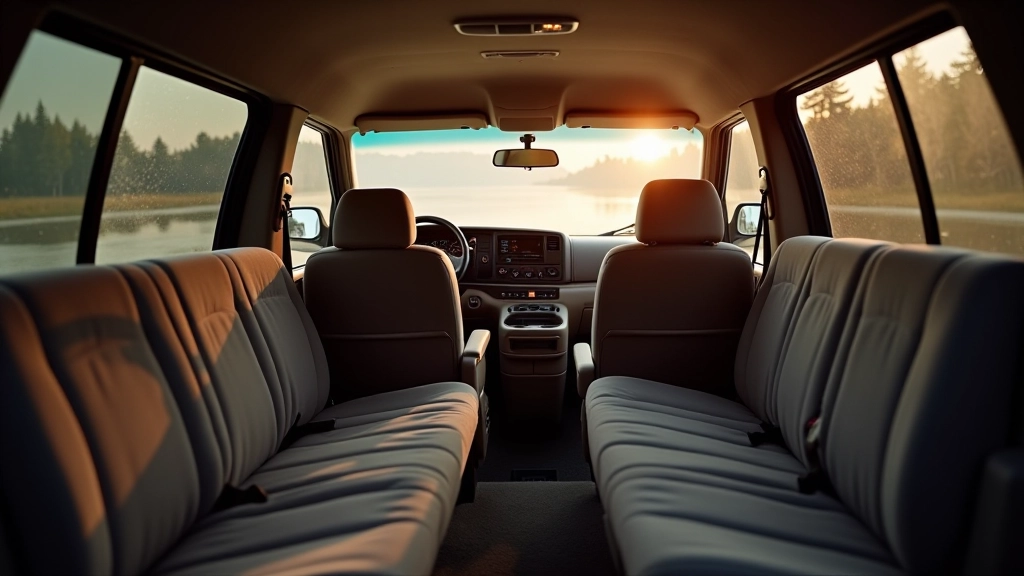
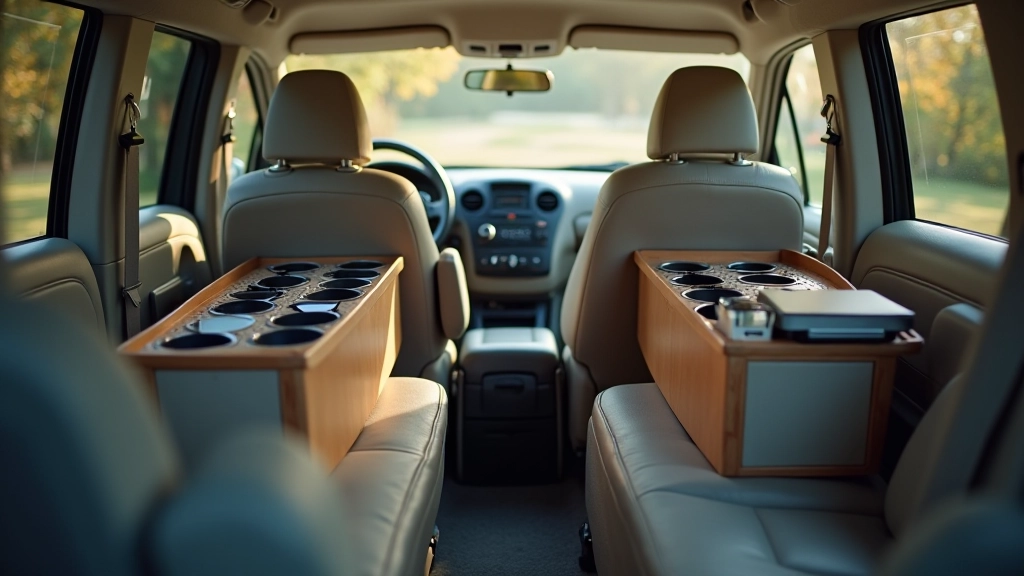
It's hard to imagine now, but the simple cup holder was once a game-changer. In the 1980s and 90s, minivans introduced integrated cup holders that weren't afterthoughts—they were designed right into the doors, armrests, and dashboards. Families could finally keep their beverages secure during long drives without spilling all over the upholstery.
The Chrysler Caravan started with basic horizontal holders, but as competition grew, manufacturers got creative. Expandable cup holders, heated options for winter drinks, and strategically placed holders throughout the cabin became standard. Parents appreciated having a designated spot for coffee, and kids loved having their juice boxes contained in one place.
What made this feature special wasn't just the engineering—it was the thoughtfulness. Designers understood that family road trips meant snacks, spills, and sticky situations. The cup holder acknowledged that reality and solved it elegantly. You'll still find this DNA in modern vehicles, but it all started in the minivan.

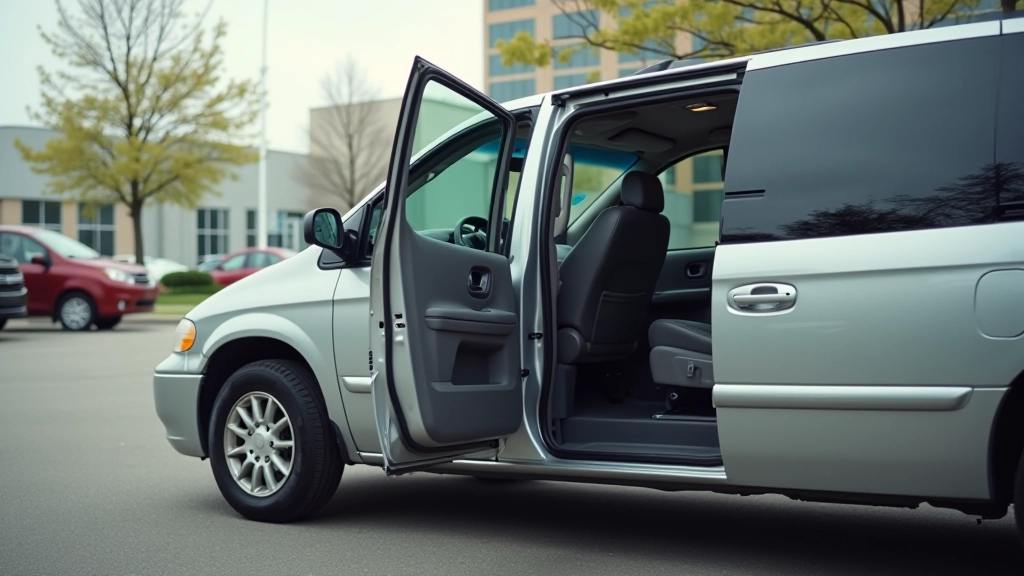
Before minivans really popularized sliding doors, families dealt with traditional swing-out doors that required extra space to open. In crowded parking lots or narrow garages, this was frustrating. The minivan changed everything by putting automatic sliding doors on the side—giving you full access even when parked inches from another vehicle.
The first Caravan models had manual sliding doors that you'd pull open by hand. They weren't fancy, but they worked. By the mid-1990s, power-sliding doors became standard, and you could operate them from the dashboard, steering wheel controls, or even a remote key fob. Parents could load children without worrying about the door hitting the car next to them.
Don't underestimate how much this feature changed daily life. Getting three kids buckled into car seats with a traditional door swinging outward? That's a logistics problem. Sliding doors solved it. Plus, there's something satisfying about the smooth mechanical operation—that distinctive glide and soft closing sound became iconic to the minivan experience.
Discover how the Caravan revolutionized family travel in the 1980s and became the template for modern family vehicles.
Read Article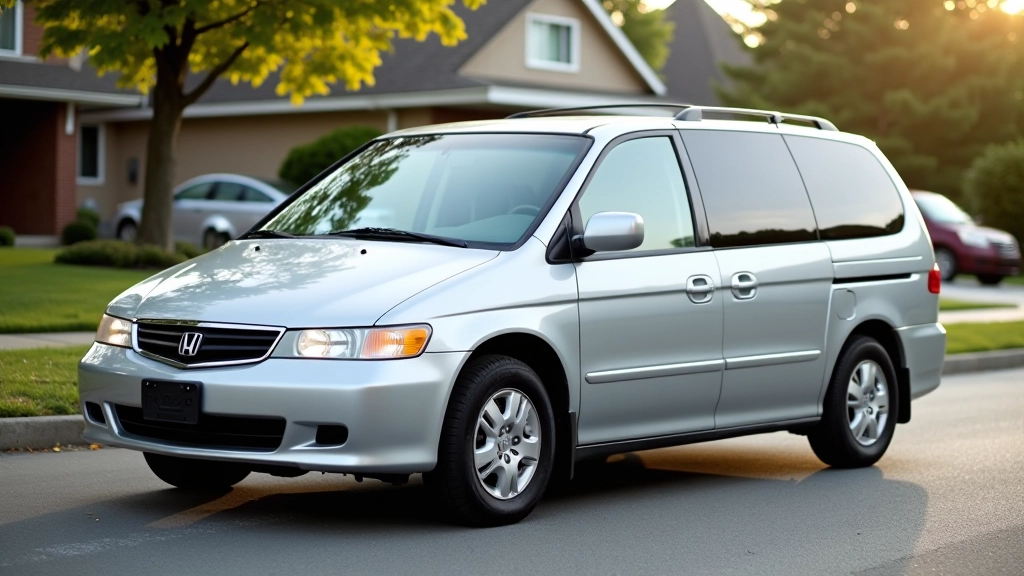
We compare the two titans of the minivan world. Which one truly dominated Canadian family driveways?
Read Article
Why did minivans become the symbol of suburban family life? Explore how these vehicles shaped a generation's memories.
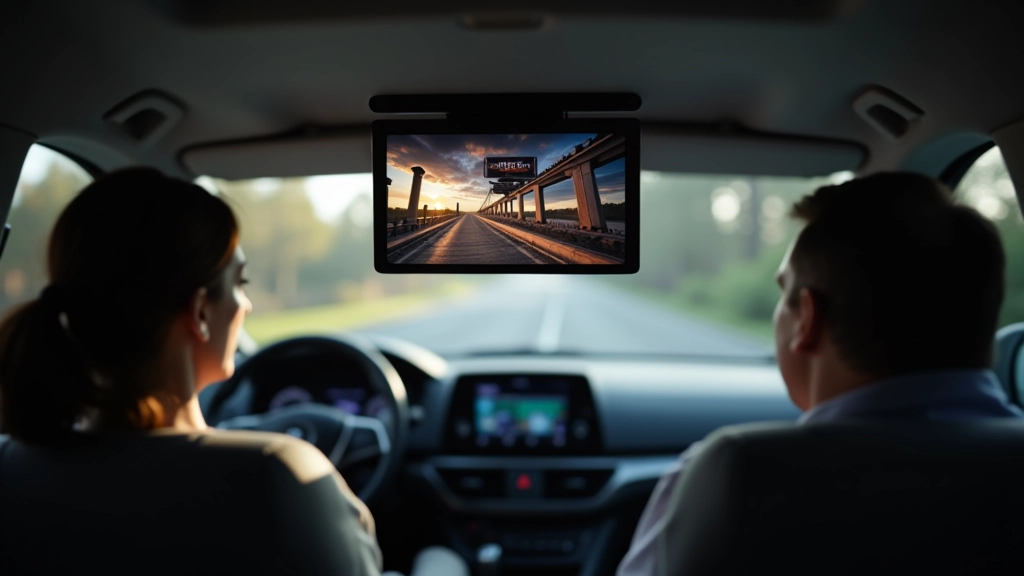
Read ArticleLong car rides with kids can test anyone's patience. The minivan industry understood this and started integrating entertainment solutions that went beyond a simple radio. Rear-seat entertainment systems became a selling point—first as optional upgrades, then as standard equipment on mid-range models.
The early systems were basic. Fold-down screens mounted to the ceiling or back of front seats, powered by VCRs or DVD players. You'd pop in a movie and suddenly the last two hours of your road trip became peaceful. Kids were mesmerized, and parents could actually hear each other think. By the 2000s, dual screens and wireless headphones became common, letting each kid watch something different.
This wasn't frivolous luxury—it was practical engineering. Designers knew that family happiness on a 6-hour drive mattered. Entertainment systems reduced arguments, prevented boredom, and made road trips something families actually looked forward to instead of dreaded. That innovation rippled through the industry and influenced how vehicles think about passenger experience today.
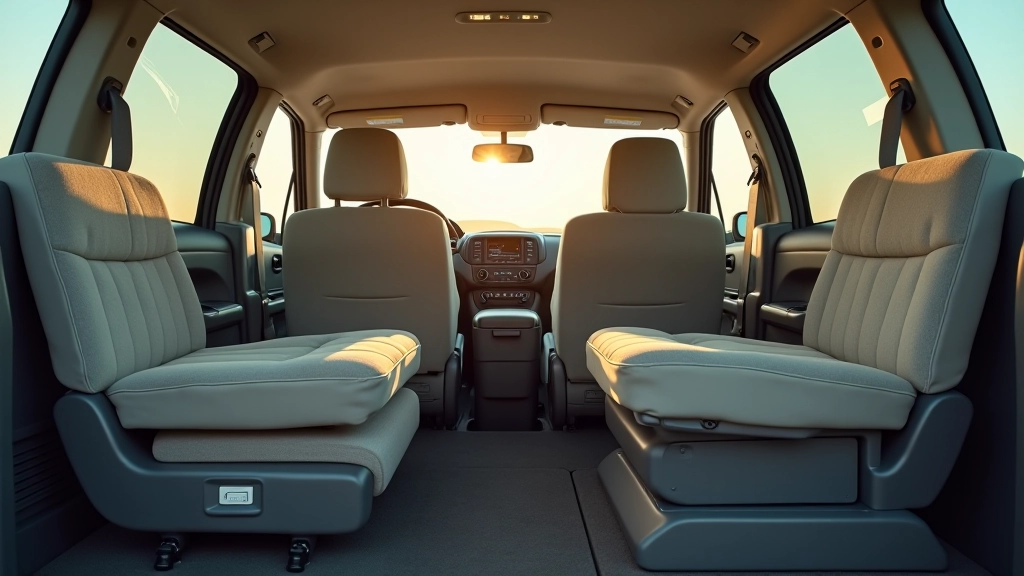
The minivan didn't just offer comfortable seating—it offered *flexible* seating. Seats that folded flat, flipped up, slid on rails, or reclined opened up possibilities that traditional cars couldn't match. Need to haul lumber from the hardware store? Fold the back seats. Got six kids and a dog? Reconfigure the middle row. Want a bed for a road trip? Fold everything flat.
This modularity became the minivan's superpower. Parents appreciated that their vehicle could transform based on what they needed that day. School run with three kids? Rows of seats. Road trip with sleeping arrangements? Flat cargo area. Moving day? Everything comes out. The engineering behind this flexibility—the hinges, the rails, the mechanisms—wasn't glamorous, but it solved real problems.
Modern vehicles still use these concepts, but minivans perfected it first. The idea that your family vehicle should adapt to your life rather than forcing your life to fit the vehicle—that's minivan philosophy. It's practical, thoughtful design that respects how families actually live.
Before minivans, if you needed to store something, you either left it in the trunk or jammed it under a seat. Minivan designers rethought this entirely. They realized that vertical space above the floor and between seat rows could be leveraged for storage compartments, hidden drawers, and built-in organizers.
You'd find pockets on seat backs for coloring books and tablets, drawers under the floor for emergency supplies, nets on side panels for toys, and cup holders in armrests. Some models even had built-in vacuum cleaners—because they knew minivans would get messy. This wasn't luxury; it was understanding that a family vehicle accumulates stuff.
The storage innovation reflected a deeper philosophy: minivans were designed *for* family life, not just to transport families. Every detail—from hidden compartments to spill-proof materials—showed that engineers had actually thought about what happens when four kids eat crackers in a moving vehicle. That attention to real-world messiness made minivans beloved by parents everywhere.
The innovations that made minivans special weren't flashy or revolutionary. Cup holders, sliding doors, entertainment systems, flexible seating, and smart storage—these were practical solutions to real problems families faced. That's what made minivans beloved. They didn't promise luxury or performance. They promised to make your family road trips easier, more comfortable, and more peaceful.
These features became the template that the automotive industry still follows today. You'll find automatic sliding doors on modern vehicles, entertainment systems in family cars, and flexible seating in SUVs. The minivan didn't just change how families traveled—it changed how the entire industry thinks about designing for families. And that legacy, more than any single feature, is what makes minivans truly unforgettable.
This article is for informational purposes and celebrates the design innovations of minivans from the 1980s through 2000s. Information presented reflects historical development and general knowledge about vehicle features. Specifications and features varied by model year, manufacturer, and market. For specific technical details about any particular vehicle, we recommend consulting the manufacturer's documentation or contacting authorized dealerships. Written by the Minivan Nostalgia Editorial Team, focused on honest, well-researched stories about the minivans that shaped Canadian family life.