
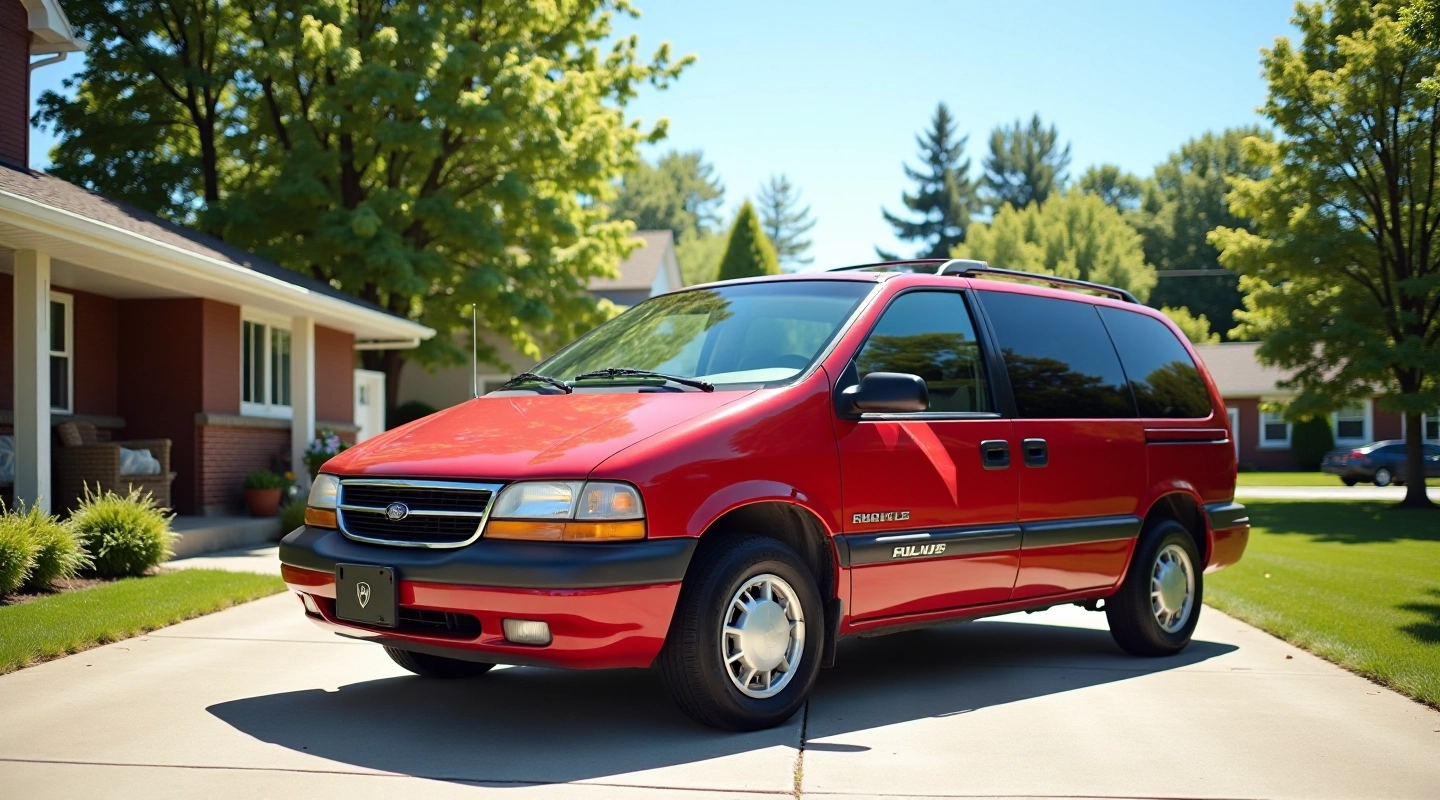
The Rise of the Family Minivan: How Chrysler Changed Canadian Roads
Discover how the Caravan revolutionized family travel in the 1980s and became the vehicle that defined suburban life.
Read MoreWe compare the two titans of the minivan world. Which one truly dominated Canadian driveways during the 2000s?
Written by
Minivan Nostalgia Editorial Team
Written by the Minivan Nostalgia Editorial Team, focused on honest, well-researched stories about the minivans that shaped Canadian family life.
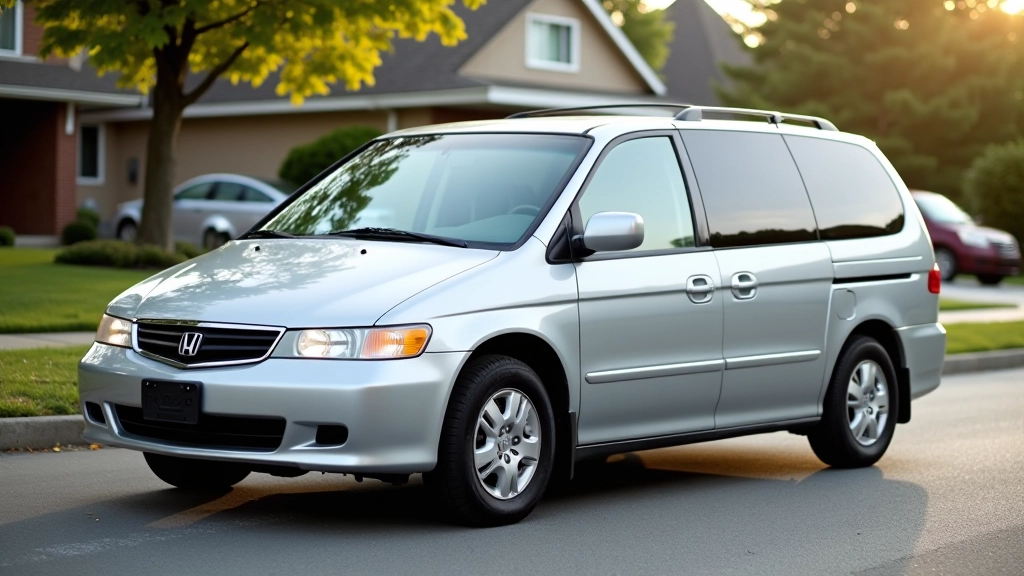
When Honda introduced the Odyssey in 1995, it didn't just enter the minivan market — it redefined it. The Japanese automaker brought something North American families weren't expecting: precision engineering wrapped in a family hauler. By the early 2000s, the Odyssey had become the gold standard for Canadian parents who wanted reliability without compromise.
The Odyssey's appeal wasn't flashy. It wasn't about gimmicks. It's that the engineering was solid. Three rows of seating. A 3.5-liter V6 engine producing 244 horsepower. Power sliding doors that actually worked consistently (unlike some competitors). And here's the real detail that mattered: Honda owners reported fewer transmission problems than their Chrysler counterparts, which translated to lower repair costs and fewer roadside breakdowns during family road trips.
Key Odyssey advantage: The 2002-2004 models achieved EPA ratings of 19 mpg city and 26 mpg highway — exceptional for a minivan of that size and weight class.
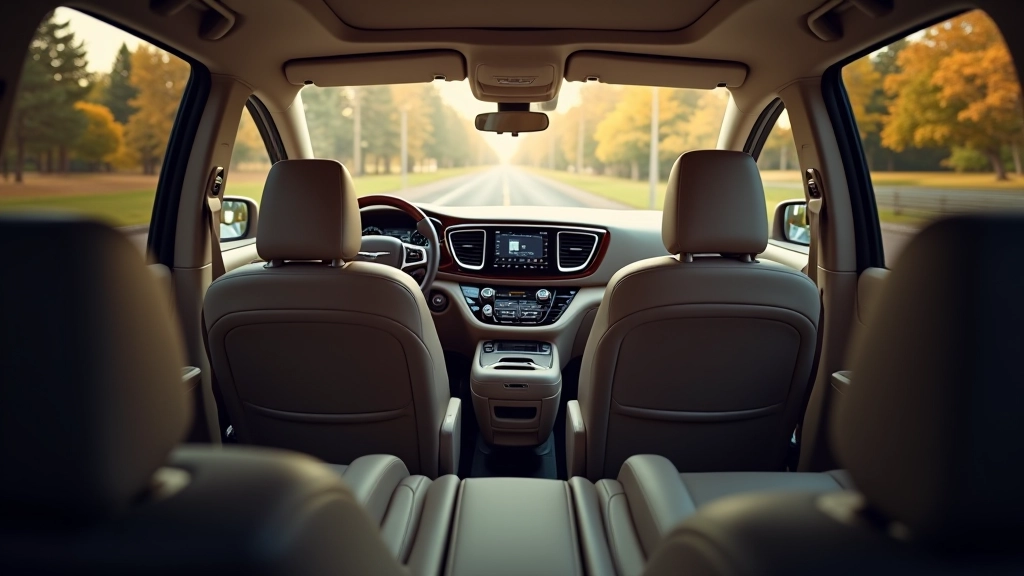
The Pacifica arrived in 2004 as Chrysler's answer. And we'll be honest: it changed the game. Chrysler decided not to compete on Honda's terms. Instead, they went luxury. Leather seats. Ambient interior lighting. A rear entertainment system that actually made sense. The Pacifica didn't feel like a minivan that transported families — it felt like a luxury vehicle that happened to have three rows.
What Chrysler understood was that Canadian parents in the 2000s didn't want to feel like they were driving a utility vehicle. They wanted style. The Pacifica's design was bolder, more aggressive. Its cabin materials felt more upscale. For parents who'd made the minivan decision but didn't want to sacrifice their identity, the Pacifica offered something the Odyssey couldn't: swagger.
The 3.5-liter V6 engine produced 253 horsepower — slightly more than the Odyssey. And that extra power was noticeable. Acceleration felt punchier. Highway merging wasn't an afterthought. But here's where reality hit: the Pacifica's fuel economy lagged. You'd see 17-18 mpg city, 24 mpg highway. Over a year of family road trips, that difference added up significantly.
Odyssey: Transmission issues less common. Parts availability excellent. Scheduled maintenance straightforward and affordable.
Pacifica: Some owners reported transmission problems by 80,000 miles. More complex electrical systems meant higher diagnostic costs.
Odyssey: Practical, straightforward layout. Seats recline and fold logically. Cup holders everywhere (and we mean everywhere).
Pacifica: Premium materials. Staggered seating in some rows. Rear-seat DVD entertainment systems were a huge selling point for long road trips.
Odyssey: Held value remarkably well. A 2004 model still commanded solid pricing by 2010-2012. Families trusted the brand.
Pacifica: Depreciation hit harder. The luxury features felt dated quickly. Buyers preferred newer models or used Odysseys.
Both offered power sliding doors, essential for tight parking lots and crowded minivan events. Honda's operated more smoothly in winter conditions.
The Odyssey's second-row seats removed entirely. The Pacifica's staggered rows created more head room. Different philosophies, both practical.
The Pacifica's rear DVD system was revolutionary in the early 2000s. The Odyssey added it later, but Pacifica owners got it first.
Both delivered solid acceleration with their V6 engines. The Pacifica felt sportier. The Odyssey felt more predictable. Pick your personality.
Nearly identical with all seats folded. Both handled hockey equipment, camping gear, and grocery runs with ease. Real-world difference was negligible.
Both offered side curtain airbags and stability control. Insurance premiums were similar. Neither had a significant safety advantage.
Discover how the Caravan revolutionized family travel in the 1980s and became the vehicle that defined suburban life.
Read More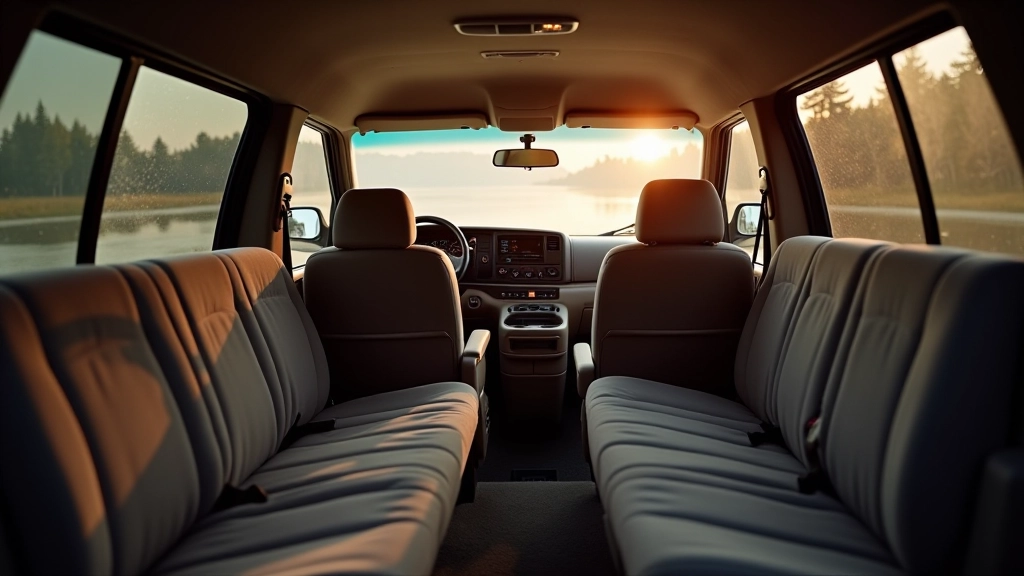
Built-in cup holders, sliding doors, and entertainment systems. Learn about the innovations that changed family travel.
Read More
Why did minivans become the symbol of suburban family life? Explore how these vehicles shaped a generation's identity.
Read MoreHere's the thing: they didn't really compete on equal terms. The Honda Odyssey won on reliability, fuel economy, and long-term value. It's the minivan you bought if you wanted a tool that worked dependably for 200,000 miles. The Chrysler Pacifica won on style, comfort, and presence. It's the minivan you bought if you wanted your family hauler to feel like a genuine car.
If you were a Canadian parent in 2006, your choice revealed something about your priorities. Did you want Japanese engineering and lower repair bills? Odyssey. Did you want premium materials and that luxury feel when you're sitting in traffic on the Gardiner Expressway? Pacifica.
The data shows Odyssey ownership held strong through the late 2000s and 2010s. More Odysseys still run reliably on Canadian roads today. But ask anyone who owned a Pacifica during its prime, and they'll tell you about that leather, that smooth ride, those looks in the carpool line. Both shaped family life. Both earned their place in Canadian automotive history.
"The Odyssey was the sensible choice. The Pacifica was the choice your heart made."
This article is informational and reflects general automotive knowledge about these vehicles during their production years. Specific vehicle performance, reliability, and features can vary based on model year, maintenance history, and individual driving conditions. For accurate information about purchasing or servicing these vehicles, we recommend consulting official Honda and Chrysler resources, certified mechanics, and current market listings. This content is not a substitute for professional automotive advice.