
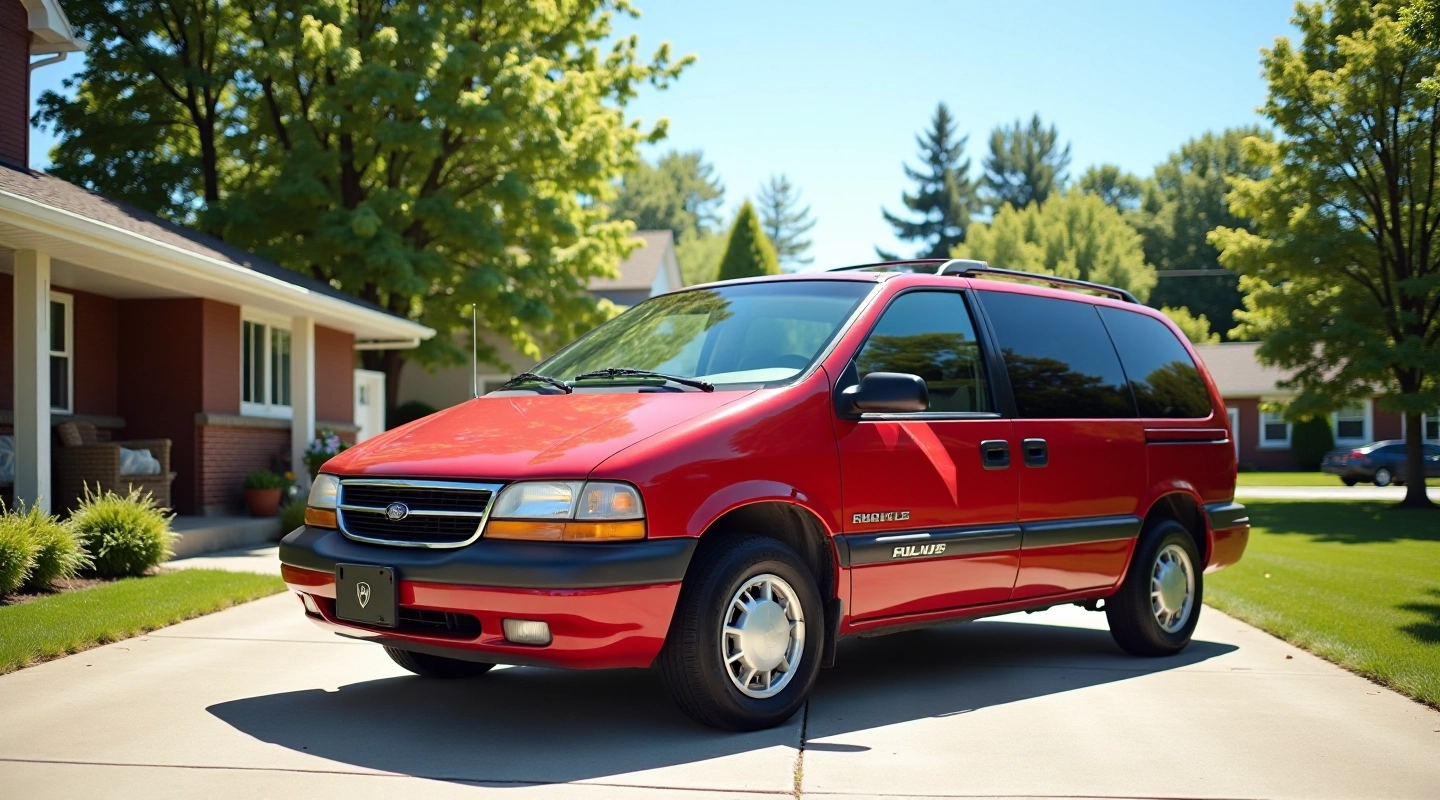
The Rise of the Family Minivan: How Chrysler Changed Canadian Roads
Discover how the Caravan revolutionized family travel in the 1980s and became the vehicle that defined suburban transportation across Canada.
Why did minivans become the symbol of suburban family life? Explore how these vehicles shaped childhood memories for an entire generation.
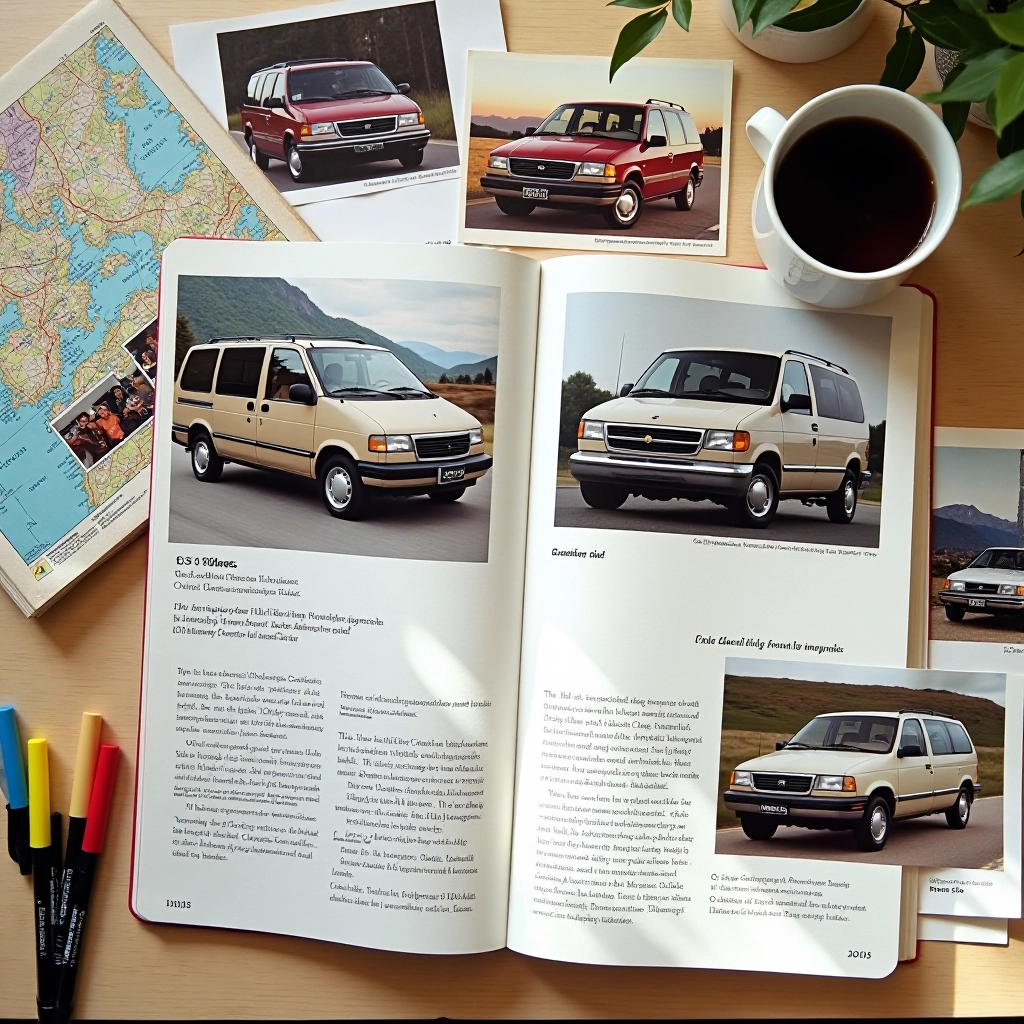
The minivan didn't just change how families traveled — it changed what it meant to be a parent in suburban North America. When the Chrysler Caravan rolled onto Canadian roads in 1983, nobody predicted it would become a cultural phenomenon. By the 1990s, you couldn't drive through a suburban neighborhood without spotting at least three minivans in a single block.
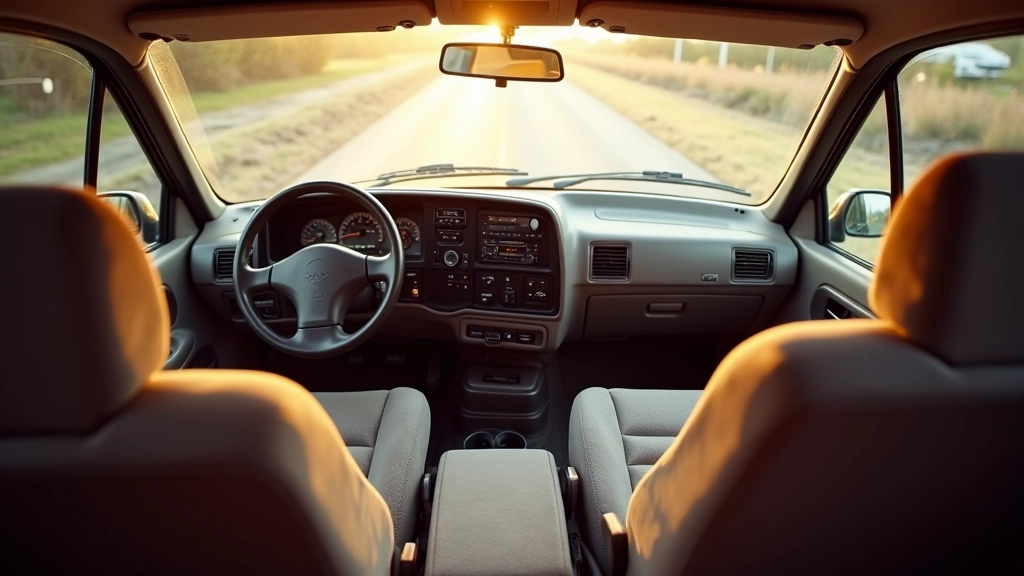
For Generation X parents, the minivan wasn't just practical. It was freedom. Sliding doors meant no more fighting about who got to open the car door. Cup holders meant fewer spills during hockey practice. And that cavernous cargo space? It was basically a portable storage unit on wheels. These weren't luxury features — they were genuine solutions to real family problems.

The 1990s were the golden age of minivan culture. Chrysler Caravans dominated the market, but Honda's Odyssey arrived in 1994 and immediately became the gold standard. These vehicles represented a shift in American and Canadian automotive philosophy — suddenly, practicality was cool. Parents weren't embarrassed to drive their kids to soccer tournaments. They were proud.
What made minivans special wasn't just the features. It's that they spoke to a specific moment in time. Generation X parents were younger, more casual than their predecessors. They wanted vehicles that reflected their values: safety for their kids, comfort for long drives, and honest functionality without pretense. The minivan delivered on all three.
By the early 2000s, minivans had become so embedded in suburban culture that they appeared constantly in TV shows, movies, and advertising. They weren't just transportation — they were symbols of a specific lifestyle.
Discover other stories that shaped the minivan era
Discover how the Caravan revolutionized family travel in the 1980s and became the vehicle that defined suburban transportation across Canada.
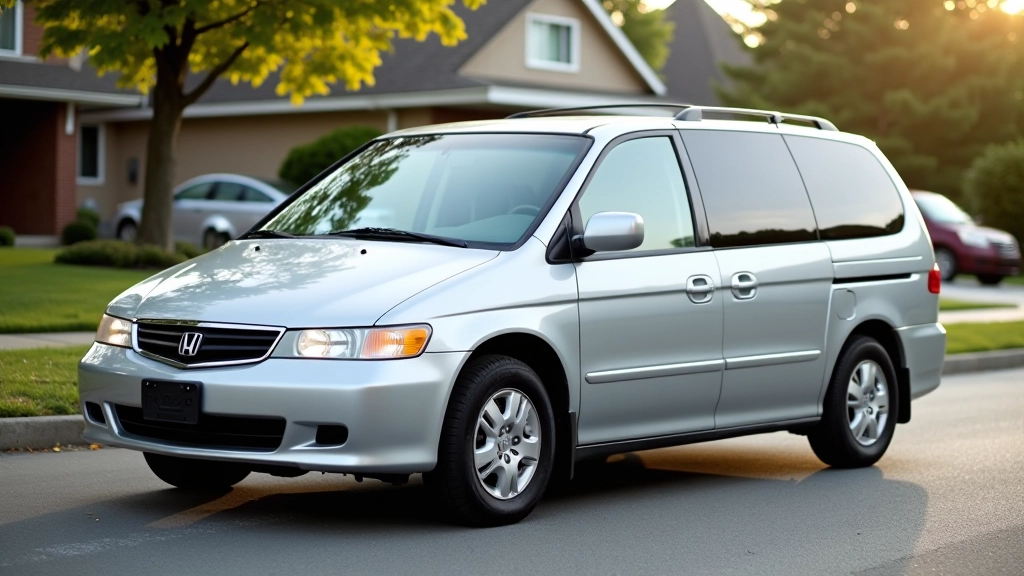
We compare the two titans of the minivan world. Which one truly dominated Canadian family life and why each generation of drivers preferred different approaches.
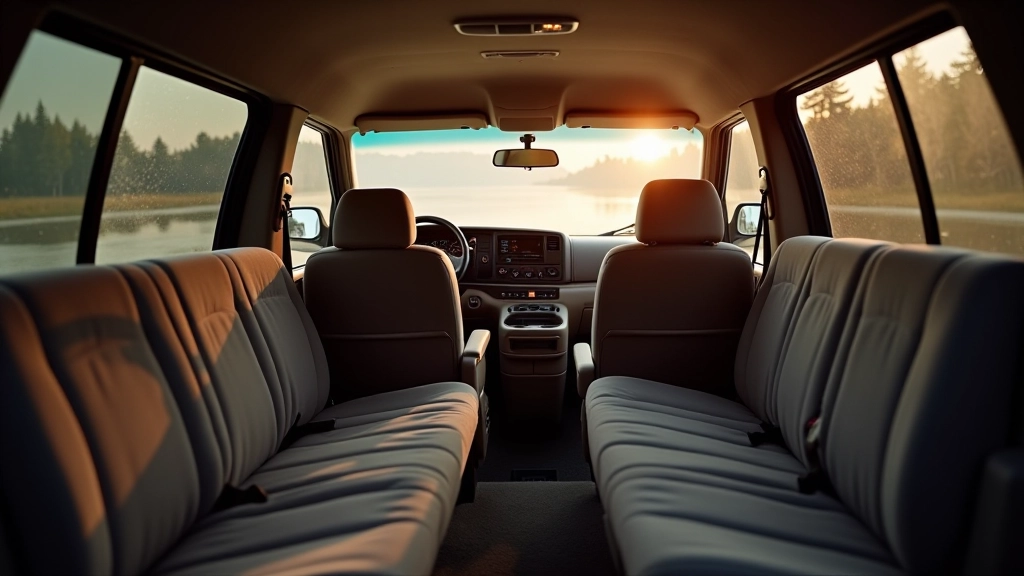
Built-in cup holders, sliding doors, and entertainment systems. Learn about the features that transformed family road trips from chaotic to manageable.
Here's what's interesting about minivans: they became so prevalent in suburban life that they stopped being just vehicles. They were status symbols — but not in the way luxury cars were. Owning a minivan signaled that you'd made a choice. You'd prioritized your family's comfort over your personal image. You'd decided that sliding doors and captain's seats mattered more than sports car aesthetics.
By the 2000s, minivans were everywhere in pop culture. TV shows used them as shorthand for "suburban family." Movies featured them in opening scenes to establish character. Comedians made jokes about minivans being the ultimate symbol of lost youth. The minivan had transcended being a vehicle — it'd become a cultural reference point.
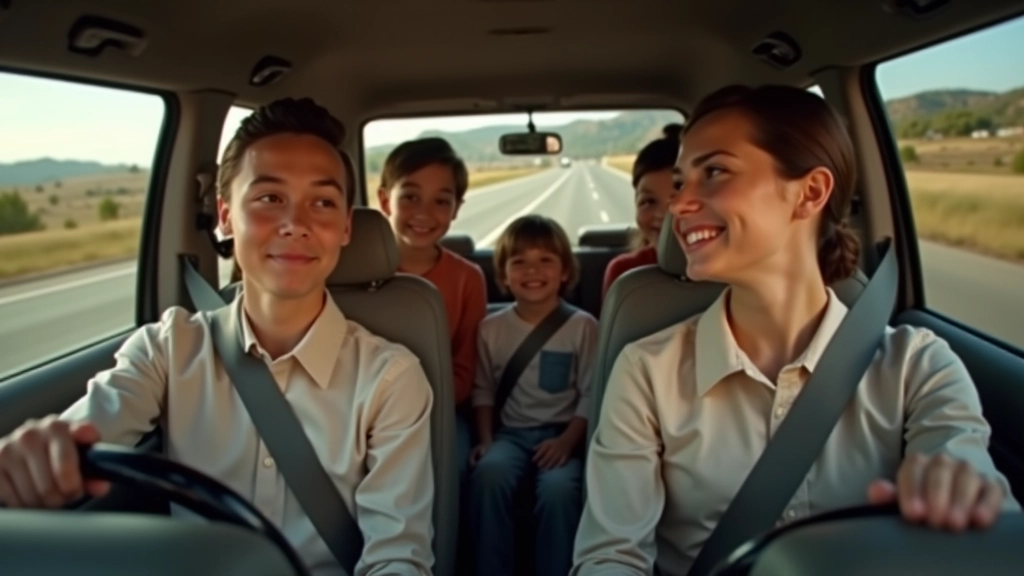
For Generation X kids, the minivan meant something specific. It meant cross-country road trips with the family. It meant being able to lie down in the back during long drives. It meant the safety of having your parents right there, visible in the front seats. These vehicles weren't just transportation — they were the backdrop to some of the most formative memories of an entire generation.
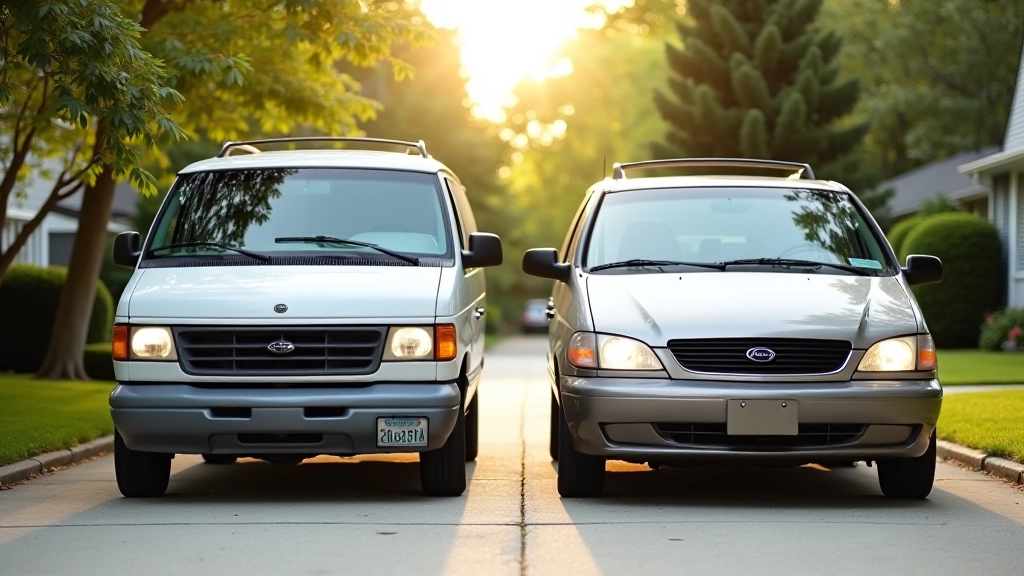
The minivan's dominance has shifted in recent years. SUVs and crossovers have taken market share. But that doesn't diminish what minivans accomplished. They democratized family transportation. They made practical features affordable. They proved that you didn't need a luxury brand to get genuine innovation.
Today's Generation X parents look back at minivans with nostalgia tinged with humor. Yes, minivans became a punchline. But that punchline was rooted in truth — these vehicles delivered exactly what families needed, and they did it reliably for decades. The minivans that rolled off assembly lines in the 1990s and early 2000s are still on the road today, ferrying second and third generations of families.
The real legacy of the minivan isn't about the vehicle itself. It's about what it represented: a generation of parents willing to make practical choices, to embrace functionality over style, and to build their family memories around the genuine needs of their kids. That's a legacy worth remembering.
This article is provided for informational and educational purposes. It reflects cultural observations and historical context about minivans in North American suburban life during the 1990s and 2000s. While we've drawn on documented automotive history and cultural references, individual experiences with minivans varied widely. We encourage readers to conduct their own research for specific vehicle specifications, safety ratings, or technical details. This content is not professional automotive advice and shouldn't be used as the sole basis for vehicle purchasing decisions.